A practice, not a firm
I work with mission-driven organizations to investigate complex problems, design better systems, and build thoughtful solutions across AI, automation and digital technology. The work starts with understanding what actually needs to change.
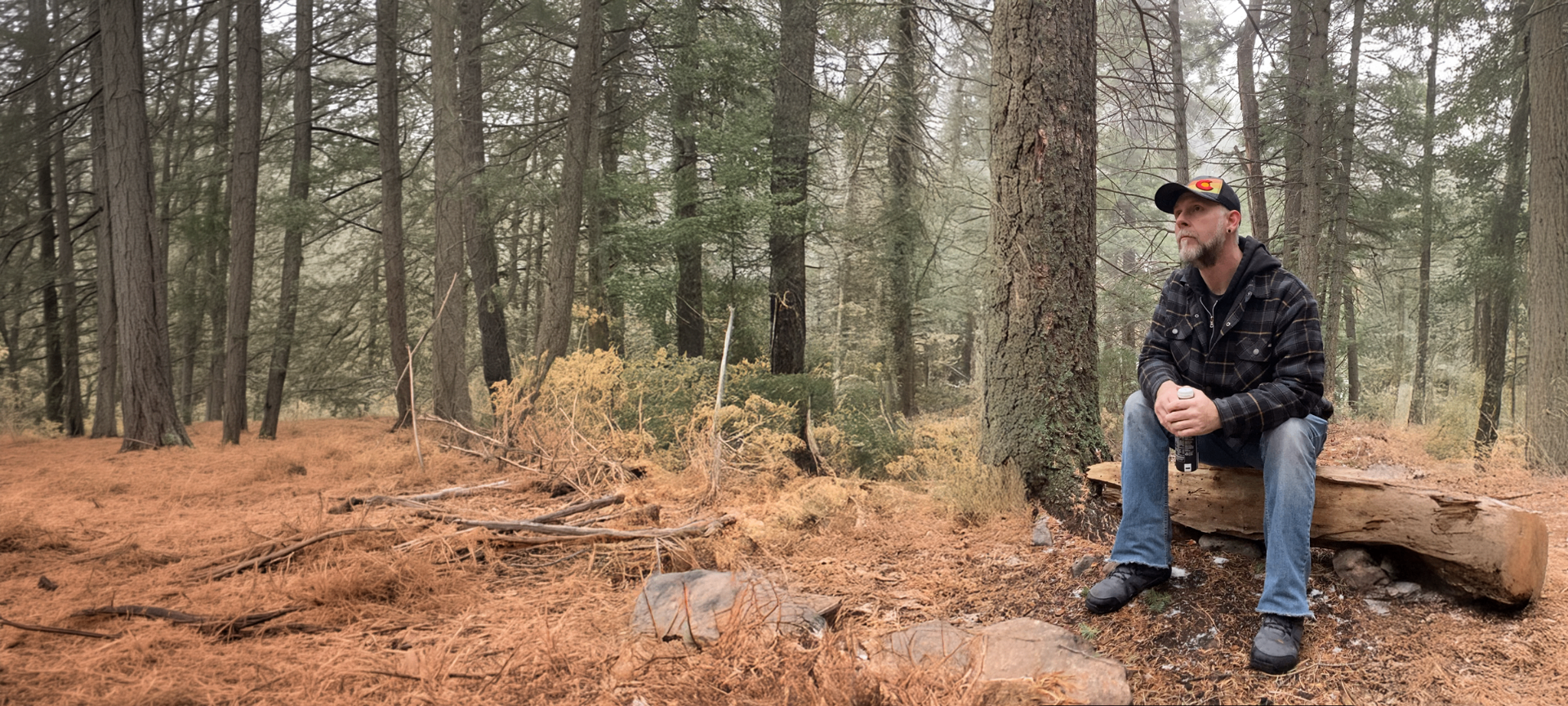
A practice, not a firm
Some organizations don't need another solution.They need an investigation.
I work with mission-driven organizations to investigate complex problems, design better systems, and build thoughtful solutions across AI, automation and digital technology. The work starts with understanding what actually needs to change.
§ I
What is an Organizational Investigation?
An Organizational Investigation is a short, focused engagement to figure out what is actually getting in the way — before anyone spends money trying to fix it.
Organizations commission one when they can feel that something isn't right, but can't yet name it. When the surface answer keeps turning out to be a symptom of something deeper. When they'd rather understand the real problem than react to the obvious one.
You receive a clear Case File: what's actually going on, why it's happening, and a small, honest set of recommendations you can put to work — with or without me.
§ II
How an investigation unfolds.
- 01
Case Intake
A complimentary 15–20 minute conversation to understand what's happening, determine whether there is a case worth investigating, and decide whether we're the right fit for one another. At the end of the conversation we'll either determine the organization isn't the right fit, decide another resource would better serve your needs, or move forward with a Preliminary Investigation.
- 02
Preliminary Investigation
A short, paid engagement to determine whether a full Organizational Investigation is warranted. The deliverable is an Investigation Brief. If we proceed to the full investigation, the entire Preliminary Investigation fee is credited toward it.
- 03
Organizational Investigation
One active investigation at a time. Methods are chosen to fit the organization: interviews, process review, customer journey analysis, document review, competitive research, and field investigation when appropriate.
- 04
Case File
An Executive Case File and Evidence Appendix — root causes, recommendations, and a clear roadmap the organization can actually use.
- 05
Implementation
Optional. The recommendations belong to the organization. Implementation may be handled internally, by me, by trusted partners, or by any partner the organization chooses.
§ III · Selected
Case Files
Case File · 001 · Digital Experience
ConfidentialNational Membership Organization
The Situation
Information had grown difficult to navigate, and the organization suspected the website was to blame.
What We Discovered
The investigation revealed an outdated CMS, an incumbent vendor that had become complacent, and an information architecture that no longer matched how members actually behaved. User interviews with members and staff uncovered how people were really searching for information — and how far it had drifted from the way the site had been organized.
What Changed
The modernization followed the investigation, not the other way around. Information was reorganized around how members actually think, and the platform was chosen to serve that understanding.
The Result
Complexity became clarity.
Case File · 002 · AI / Automation
ConfidentialBoutique Advisory Firm
The Situation
Every prospective client required multiple meetings before the right services could be recommended.
What We Discovered
The bottleneck wasn't selling — it was diagnosis. The founder was repeatedly spending valuable time asking the same intake questions.
What Changed
An intelligent intake process identified likely needs before the first conversation.
The Result
Clients arrived better prepared, and the founder reclaimed valuable time while improving recommendations.
Case File · 003 · Digital Experience
ConfidentialMission-Driven Nonprofit
The Situation
The organization had ambitious goals but struggled to communicate its mission clearly across multiple, unrelated audiences.
What We Discovered
The investigation revealed one overgrown website trying to serve too many audiences at once, an opportunity to separate distinct programs into focused digital experiences, and the concept of an AI Companion capable of helping users navigate one of life's most difficult moments — offering compassionate informational guidance carefully scoped to avoid medical advice.
What Changed
The mission was reorganized around the people it actually served, with dedicated pathways for each audience and a plan for the companion experience to follow.
The Result
The mission became easier to understand, support and engage with.
Case File · 004 · Systems
ConfidentialSmall Digital Agency
The Situation
A successful business had been built around one primary market that was changing rapidly.
What We Discovered
The problem wasn't replacing lost work. The business model itself needed to evolve.
What Changed
Recurring revenue, diversified services, continuous learning and relationship-based business development created a far more resilient organization.
The Result
The organization stopped chasing its past and began intentionally designing its future.
Case File · 005 · Systems
ConfidentialMental Health Media Organization
The Situation
Collecting meaningful patient stories required scheduling long interviews, creating unnecessary friction and limiting participation.
What We Discovered
The real obstacle wasn't willingness to share. It was the process. Most people were comfortable sharing a brief written or video testimonial immediately, while only a smaller number were ready for a deeper conversation.
What Changed
The organization shifted from interview-first to contribution-first by allowing people to submit short written or video stories directly through the website. Longer interviews became optional follow-up conversations when appropriate.
The Result
Participation increased, valuable stories surfaced more naturally, and the organization built a more scalable and compassionate storytelling process.
§ IV
Investigation isn't always the end of the work.
Sometimes the investigation is the engagement. Sometimes the work is an application, an automated workflow, a better digital experience, or helping a team understand how to use AI. The point isn't to sell a particular solution. It's to figure out what would actually help.
Each can be commissioned on its own — no investigation required.
- 01Organizational Investigation
- 02AI & Automation
- 03Apps & Digital Products
- 04Websites
§ V
Who an investigation is for.
Generally organizations of up to 150 people. Mission-driven. Growing. Good leadership. Healthy culture. Not failing — simply stuck.
- "We've become more complicated."
- "We aren't moving forward."
- "We think AI matters but don't know how."
- "We have too many systems."
- "Something feels off."
- "We know something needs to change. We just don't know what."
§ VI
Start a conversation.
Have a problem worth investigating, something worth building, or simply not sure where to begin?
Talk to Baker
My AI Investigative Associate. Baker can help understand what you're working through, ask a few useful questions, and determine where a conversation with me might start.
Talk to Baker →Talk to Justin
Prefer to talk directly? Schedule a 15-minute Initial Conversation. No pitch and no obligation.
Schedule an Initial Conversation →Currently accepting inquiries.